
Exploring cultural perspectives on gambling A global journey
The Historical Context of Gambling
The roots of gambling can be traced back to ancient civilizations, where games of chance were often linked to religious rituals and social activities. From the dice games of Mesopotamia to the betting practices of the Romans, gambling has been a part of human culture for millennia. These early forms of gambling served not only as entertainment but also played significant roles in community bonding and economic exchanges. Today, many players consider the best online casinos as part of their recreational activities.
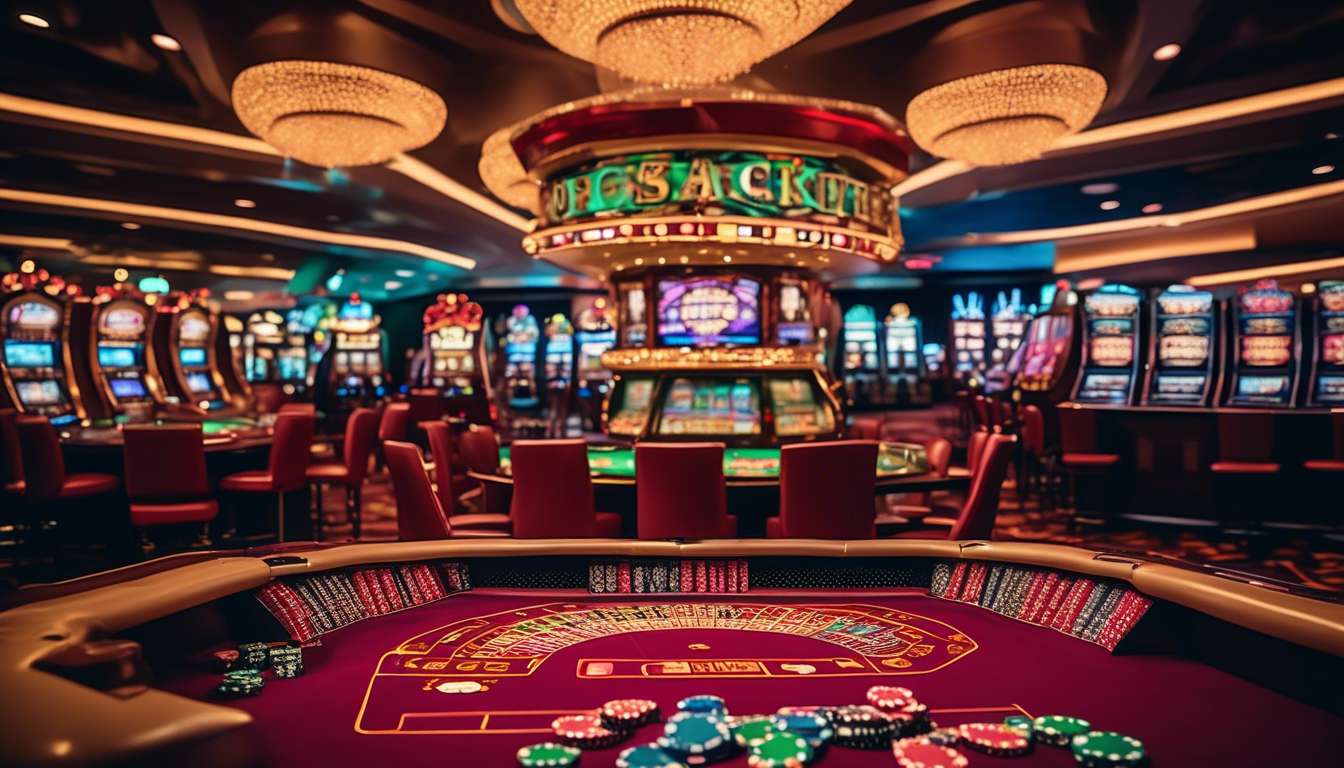
As societies evolved, so too did the forms and regulations surrounding gambling. The establishment of formal casinos in the 17th century marked a turning point, creating structured environments where games of chance could flourish. This evolution brought gambling out of the shadows and into the forefront of entertainment, paving the way for modern gaming establishments.
Cultural Attitudes Towards Gambling
Cultural perceptions of gambling vary widely across the globe. In some societies, gambling is celebrated and integrated into social traditions, while in others, it is viewed with skepticism or outright disdain. For instance, in countries like Japan, traditional games like pachinko reflect a cultural acceptance of gambling as a leisure activity, blending skill and chance.
Conversely, in many Islamic cultures, gambling is prohibited based on religious teachings. This dichotomy in attitudes highlights the complex relationship societies have with gambling, influenced by historical, religious, and social factors that shape public opinion and acceptance.
The Impact of Globalization on Gambling
The advent of globalization has significantly influenced gambling practices worldwide. Increased travel and communication have allowed diverse gaming cultures to intermingle, resulting in hybrid forms of gambling. For example, the rise of online casinos has transformed how individuals engage with gambling, transcending geographical boundaries and offering an array of gaming experiences.
This global interconnectivity has also led to the proliferation of gambling tourism, where individuals travel to renowned gambling destinations. Places like Las Vegas and Macau have capitalized on this trend, drawing millions of visitors eager to experience vibrant gaming cultures and high-stakes environments.
Regulatory Frameworks and Their Cultural Implications
The regulation of gambling varies dramatically from one country to another, reflecting cultural values and government policies. In nations where gambling is legalized and regulated, it is often seen as a potential source of revenue, prompting governments to embrace it as a legitimate industry. This acceptance can lead to well-structured gambling markets that promote responsible gaming practices.
In contrast, countries with strict anti-gambling laws may suffer from unregulated underground gambling operations, creating social issues and public safety concerns. The balance between regulation and cultural acceptance continues to be a critical conversation in shaping the future of gambling across the globe.

Toronto’s Unique Gambling Landscape
Toronto, a vibrant metropolis, presents a unique perspective on gambling that mirrors broader cultural trends. With a mix of traditional casinos and emerging online platforms, the city offers diverse gaming options while adhering to Canadian regulations. This mix reflects the cultural diversity of Toronto, where various communities contribute to the gambling landscape.
As a hub of entertainment, Toronto continues to explore the implications of gambling on society, from community benefits to responsible gaming initiatives. The ongoing discussions around gambling’s place in this diverse city demonstrate the complexities and evolving attitudes that define cultural perspectives on gambling.